What Are Conveyor Belts?
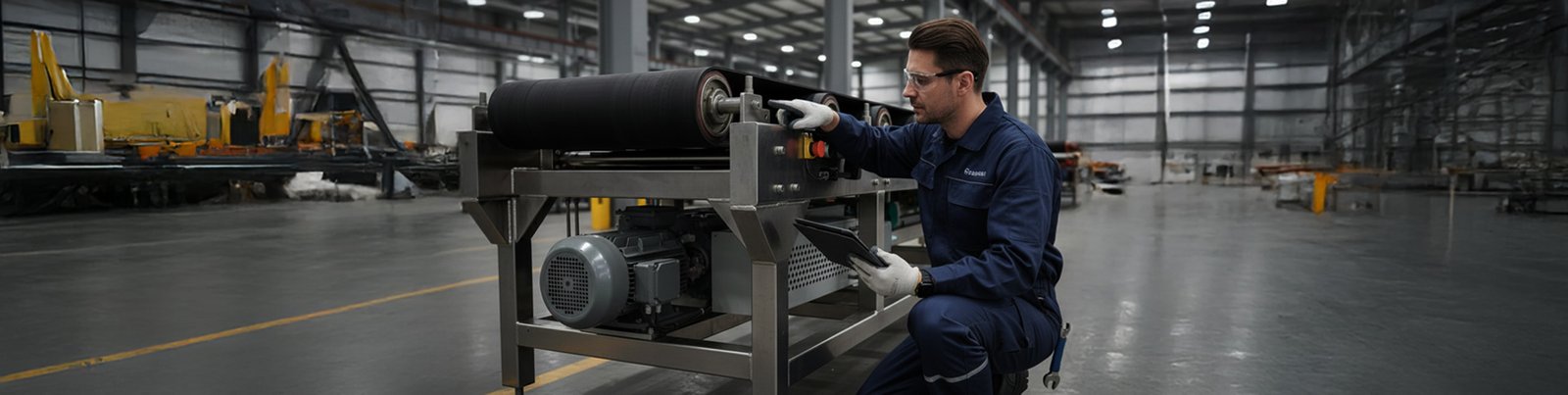
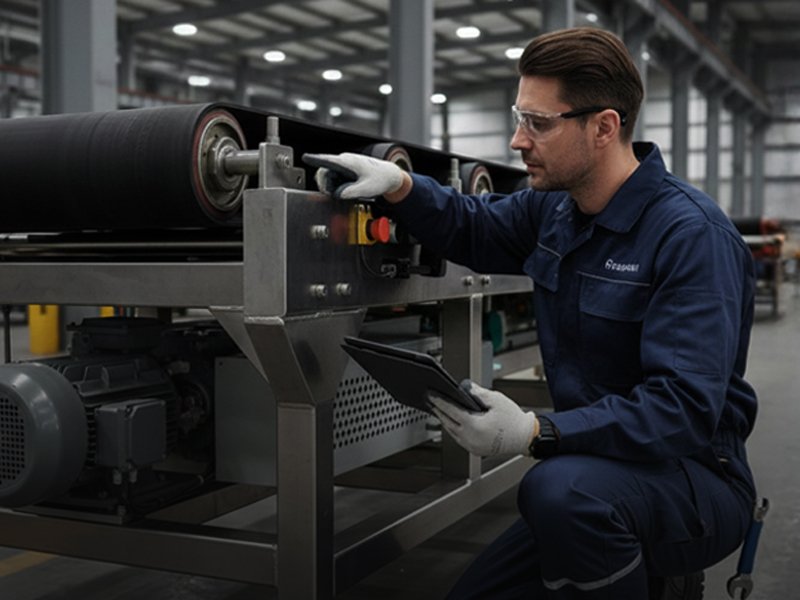
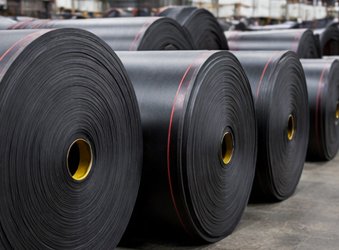
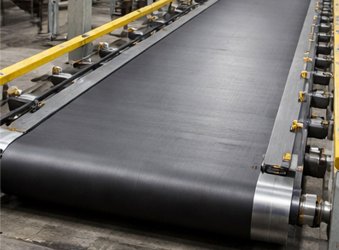
Conveyor belts are continuous moving belts used to transport materials, goods, and products between locations efficiently and reliably. They form a core part of material handling
systems across industries — including manufacturing, warehousing, logistics, food processing, mining, packaging and more — enabling smooth, automated movement of items
from one point to another.
Key Benefits of Conveyor Belt Systems

Boosts Speed & Productivity
Conveyor belts streamline workflows by continuously moving materials, greatly
reducing manual handling and speeding up production and logistics processes.
This leads to higher throughput and more efficient operations.

Reduces Labor Costs
Because conveyor systems automate repetitive movements, they reduce the
need for manual labor and allow workers to focus on higher-value tasks, saving
on labor costs over time

Highly Customizable & Versatile
Conveyor belts can be tailored to fit specific
applications — from long-distance transport
and incline systems to modular or sanitary belts
for food and pharmaceutical industries —
making them versatile across different operational needs

Improves Safety & Reliability
Automated material handling reduces risks as
sociated with lifting and carrying heavy items
manually, helping improve workplace safety
and compliance with industry standards

Wide Industry Applications
Whether handling boxes in a distribution center,
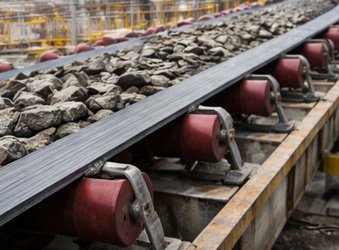
heavy aggregates in construction, or packaged
goods in food processing, conveyor belts sup
port diverse tasks and help optimize workflows
across sectors
Common Types of Conveyor Belts
Flat Belt Conveyors
general-purpose transport systems
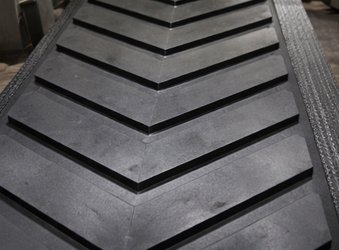
Inclined / Declined Belts
for moving materials between elevations
Modular Belt Conveyors
easy to clean and maintain
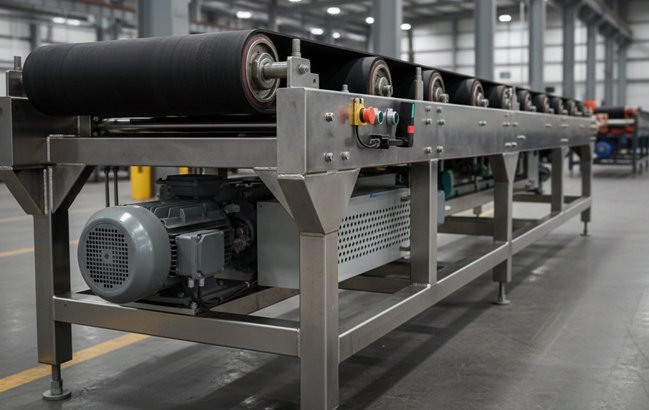
Roller Belt Systems
often used in packaging and logistic lines